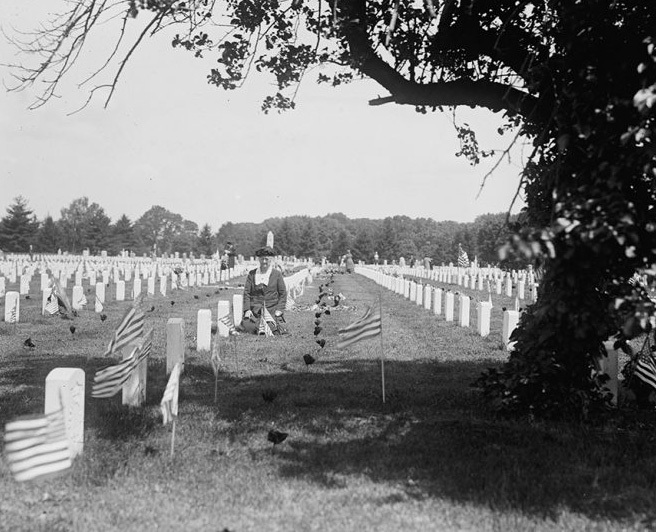


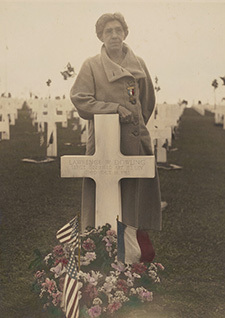
 Each year on April 5, the United States observes Gold Star Spouses Day, a day set aside to honor the surviving spouses of service members who died while serving our country. It is a solemn reminder that the cost of military service is not carried only by those in uniform. It is also carried by the husbands and wives left behind, who continue living with that loss long after the public moment has passed. Official Army materials describe the day as one meant to honor and recognize the sacrifice of these spouses.
To understand the meaning of Gold Star Spouses Day, it helps to understand where the Gold Star itself came from. The tradition dates back to World War I, when families displayed service flags in the windows of their homes. A blue star showed that a family member was serving in the Armed Forces. If that service member died, the blue star was replaced with a gold star, creating a visible symbol of sacrifice and loss. That tradition gave rise to the term Gold Star family, which remains one of the nation’s clearest expressions of remembrance for the fallen and the loved ones they left behind.
The observance we now call Gold Star Spouses Day is more recent than the tradition itself. Military-family sources note that the day began being recognized in 2010, originally under the name Gold Star Wives Day. Over time, the more inclusive term Gold Star Spouses Day came into broader use, while the purpose remained the same: to honor the husbands and wives of America’s fallen service members and acknowledge the enduring burden they carry.
That burden is often less visible than other forms of military remembrance, which is part of why this day matters. Public ceremonies tend to focus, understandably, on those who served and died. Gold Star Spouses Day broadens that remembrance by recognizing that the impact of sacrifice continues inside families, in private grief, resilience, and the long work of carrying a loved one’s memory forward. Department of Defense materials on Gold Star recognition similarly frame the Gold Star as a symbol tied to sacrifice and the families of the fallen.
For those who display the American flag with intention, this observance offers a meaningful reason to do so. The flag is not only a national symbol. It can also serve as a sign of respect, gratitude, and remembrance for those whose lives were forever changed by military loss. On Gold Star Spouses Day, flying the flag is one small but visible way to honor the spouses of the fallen and the sacrifice they continue to bear.