null

Facts Every U.S. Citizen Should Know

We The People: 7 Facts Every U.S. Citizen Should Know

January 14, 1784 - The Day America Became a Nation
America declared independence in 1776—but it didn’t become legally binding until Congress ratified the Treaty of Paris on January 14, 1784. Here are seven facts about the little-known “in-between” period and the diplomats who made independence official.

March 3, 1931 - Why “The Star-Spangled Banner” Became Our National Anthem
Before it was our national anthem, it captured an eyewitness moment: a flag still flying at dawn over Fort McHenry. Here’s why “The Star-Spangled Banner” finally became official on March 3, 1931—and which songs nearly beat it.

March 4, 1789 - The First Congress Under the Constitution
March 4, 1789, was the scheduled beginning of America’s new constitutional government—but it started with empty seats. Here’s what happened at Federal Hall and how weeks of delays still set Washington’s inauguration in motion.

March 10 - Harriet Tubman Day
Harriet Tubman Day is observed on March 10 and received national recognition in 1990. Learn who Harriet Tubman was and why her courage and service are still remembered.

March 17, 1776 - Evacuation Day
On March 17, 1776, British forces evacuated Boston, ending the Siege of Boston and marking one of the Revolution’s first major strategic victories. Evacuation Day is still remembered across Greater Boston.

March 23, 1775 - The Quote Heard ’Round the World
Tensions were rising inside St. John’s Church in Richmond during the Second Virginia Convention. Patrick Henry urged the colonies to prepare for war with Britain—and delivered words that would become immortal.

March 27, 1794 - The Birth of America’s Navy
After the Revolutionary War, the United States had independence but no navy. On March 27, 1794, President George Washington signed the law that authorized six warships and marked the beginning of America’s modern Navy.

April 5 - Gold Star Spouses Day
The Gold Star tradition began during World War I, but its meaning still matters today. Learn about Gold Star Spouses Day and the sacrifice it honors.

April 12, 1861 - Fort Sumter and the Opening of the Civil War
On April 12, 1861, the first shots of the Civil War were fired at Fort Sumter, turning a national crisis into open conflict and beginning a war that would change America forever.

April 13, 1743 - Thomas Jefferson’s Birthday
Thomas Jefferson was the principal author of the Declaration of Independence and one of the most influential figures of the founding era. We examine his complicated legacy and continuing effect on the nation.

April 15, 1865 - The Death of Abraham Lincoln
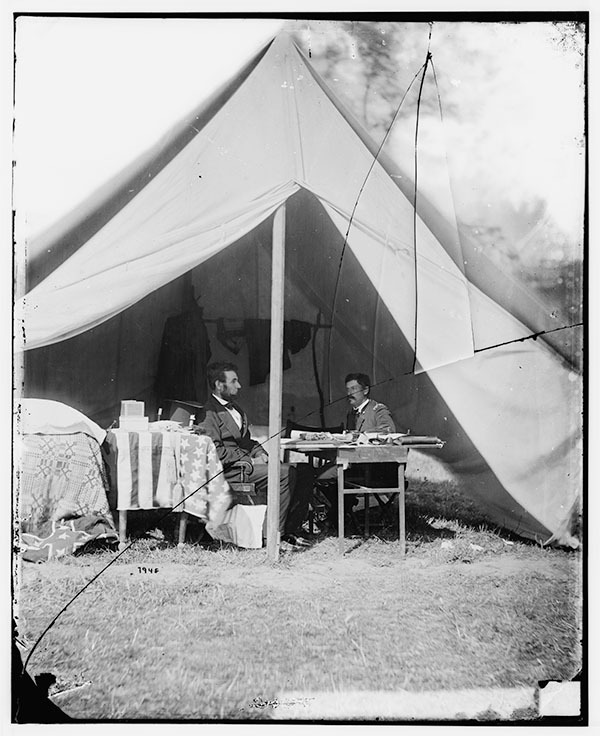
On April 15, 1865, the nation lost Abraham Lincoln just as the Civil War was ending. We look back at the death of a president whose leadership helped preserve the Union.

April 19, 1775 - Lexington and Concord
On April 19, 1775, the first battles of the American Revolution were fought at Lexington and Concord, turning colonial resistance into open war.

May 5, 1961 - America’s First Man in Space
On May 5, 1961, Alan Shepard became the first American in space aboard Freedom 7. Learn how his 15-minute flight helped launch America toward the Moon.

May 8, 1945 - Victory in Europe (VE) Day
On May 8, 1945, Germany’s surrender ended World War II in Europe. Learn how Americans marked V-E Day and why President Truman called it a solemn but glorious hour.

May 29, 1790 - Rhode Island Ratifies the Constitution
It is easy to imagine all 13 original states accepting the Constitution together. Rhode Island’s long resistance reminds us that the process was far more complicated.

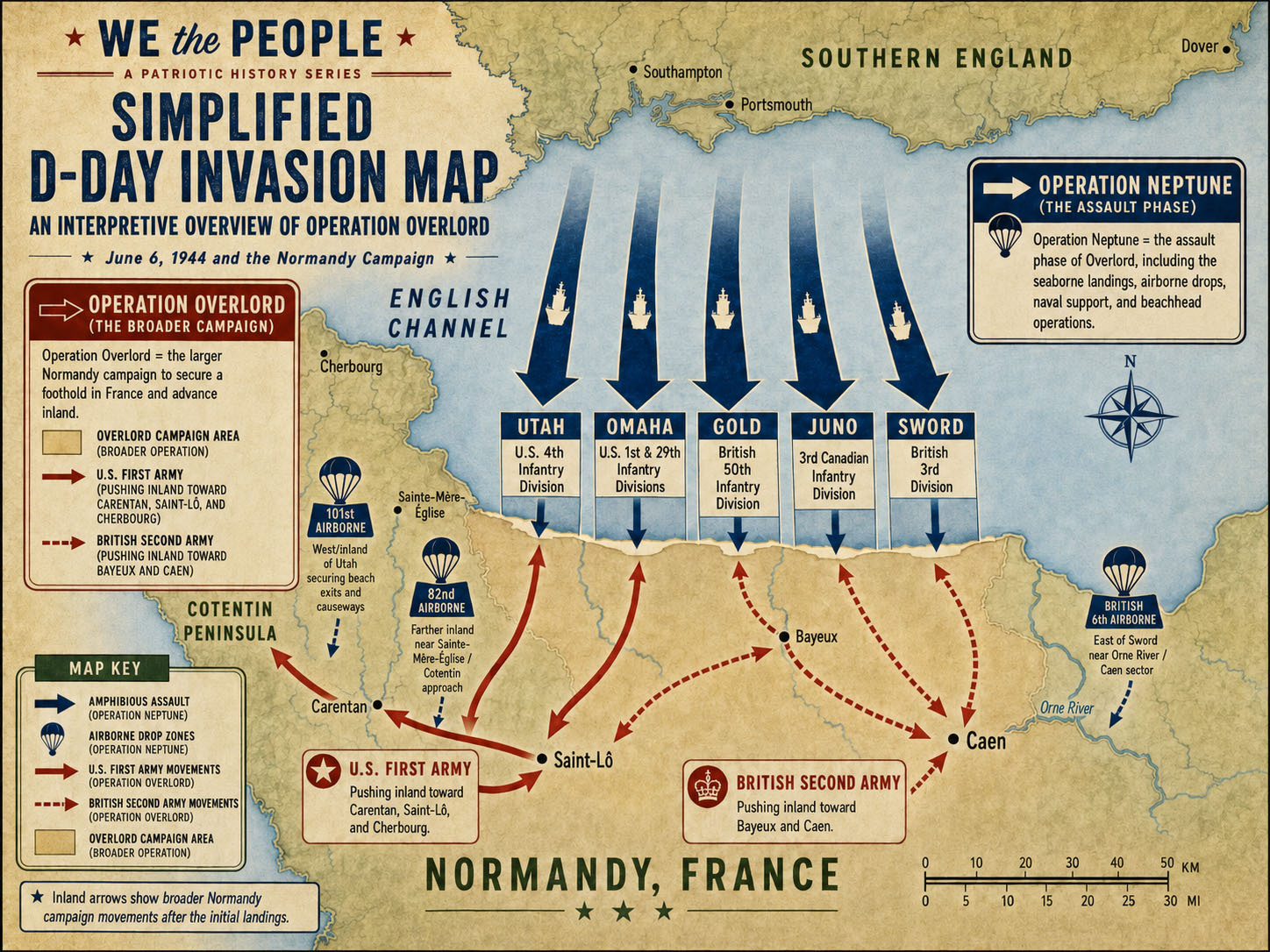
June 6, 1944 - What Was D-Day?
D-Day stands among the most consequential days in American and world history. Learn what happened on the beaches of Normandy and why the invasion mattered.

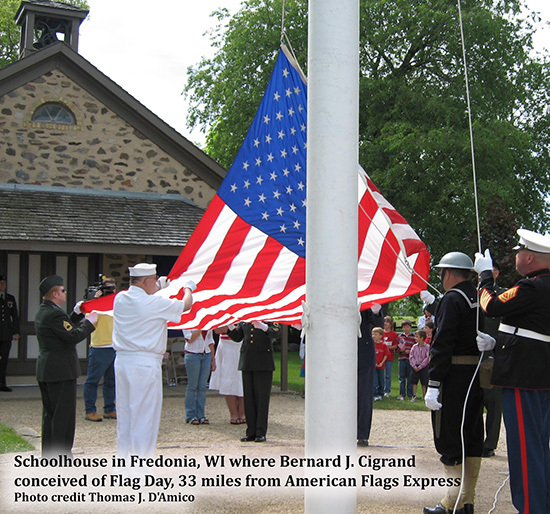
June 14, 1777 - Old Glory’s Big Day: The Story Behind Flag Day
Discover the story behind Flag Day, from the Flag Resolution of 1777 to Bernard Cigrand’s campaign to honor Old Glory every June 14.

July 8, 1776 - The Declaration of Independence Is Read Aloud to the Public for the First Time
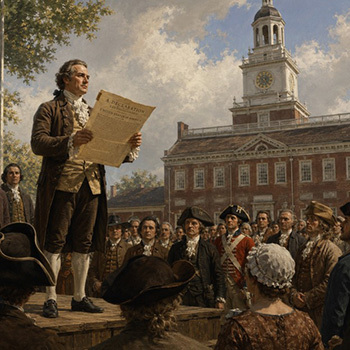
Citizens gathered outside the Pennsylvania State House, now Independence Hall, as prominent Philadelphia merchant and militia officer John Nixon read the Declaration aloud to the public for the first time.

July 20, 1969 - The American Flag on the Moon
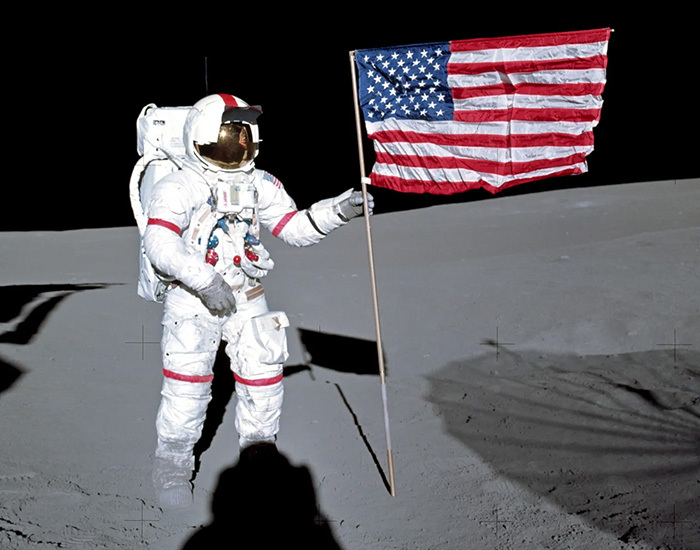
The story of the ordinary nylon American flag that became one of history’s most recognizable symbols when Apollo 11 astronauts planted it on the Moon.

August 2, 1776 - The Declaration Wasn’t Actually Signed on July 4
July 4 marks the adoption of the Declaration’s final wording, but most delegates signed the famous parchment on August 2. Here’s how American independence actually unfolded.

November 11 - Veterans Day
Veterans Day has a surprising history—from its origins as Armistice Day to the 1954 change that expanded the holiday to honor everyone who served.

December 7 - Pearl Harbor Day
Pearl Harbor was a 90-minute attack that reshaped the entire war. Here are seven facts you may not know and why December 7 still matters.