


October 20, 1803 · The Louisiana Purchase
The Deal That Doubled America
America wanted a port. France offered an empire’s worth of territory. Could Jefferson afford to say yes—or risk saying no?
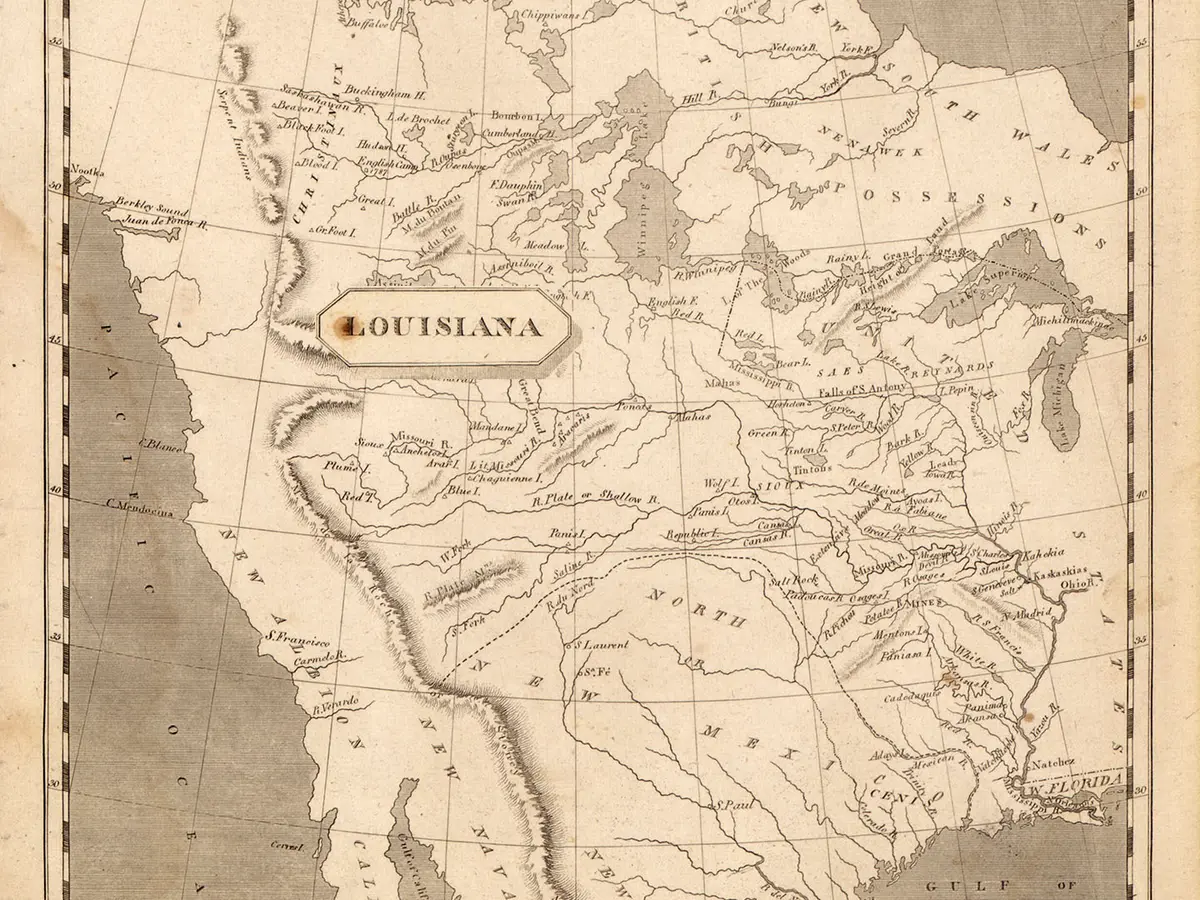
Imagine sending two men overseas to buy a single piece of property—and learning they had agreed to purchase a territory that would double your country.
That was the opportunity facing President Thomas Jefferson in 1803. The price was $15 million. The land stretched from the Mississippi River toward the Rocky Mountains. And the Constitution, as Jefferson read it, did not clearly give him permission to buy it.
On October 20, 1803, the Senate approved the Louisiana Purchase treaty for ratification by a vote of 24 to 7. A diplomatic surprise had become a decision that would reshape America.
The surprising price per acre
About 4¢ per acre
A remarkable figure behind the $15 million agreement.
The problem was a river
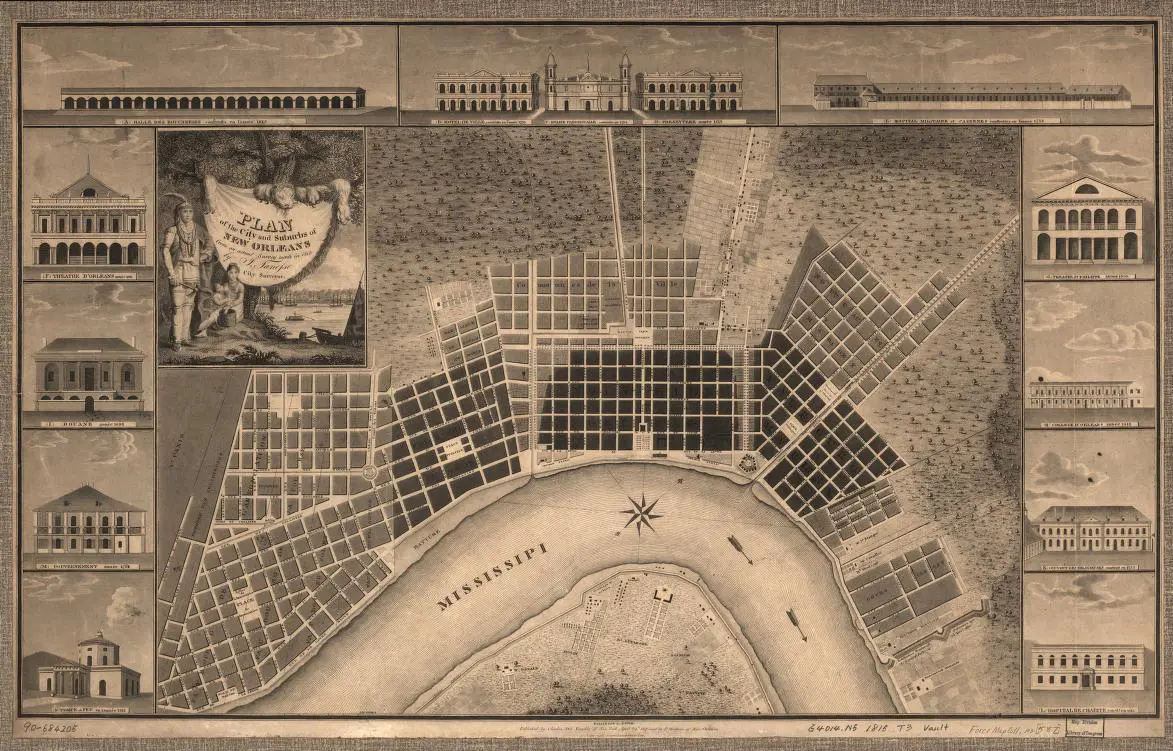
For farmers west of the Appalachian Mountains, the Mississippi was a route to market. Their produce could travel downstream to New Orleans, then transfer to ships bound for distant ports. Whoever controlled that gateway could squeeze the American economy.
Spain had controlled New Orleans, but the prospect of Napoleon’s France taking over raised the stakes. Jefferson wanted reliable access to the river and port. He sent James Monroe to join American diplomat Robert Livingston in Paris, with authority to offer up to $10 million for New Orleans and the Floridas.
They arrived with a limited shopping list. The French had something much larger in mind.
Why Napoleon was ready to sell
Napoleon’s plans for a western empire were unraveling. In Saint-Domingue, now Haiti, resistance by enslaved and free Black people, combined with yellow fever, devastated the French expedition. Renewed war with Britain also threatened France’s ability to hold Louisiana.
Money for the struggle in Europe became more useful to Napoleon than a vast territory he might be unable to defend. In April 1803, the French offered to sell all of Louisiana.
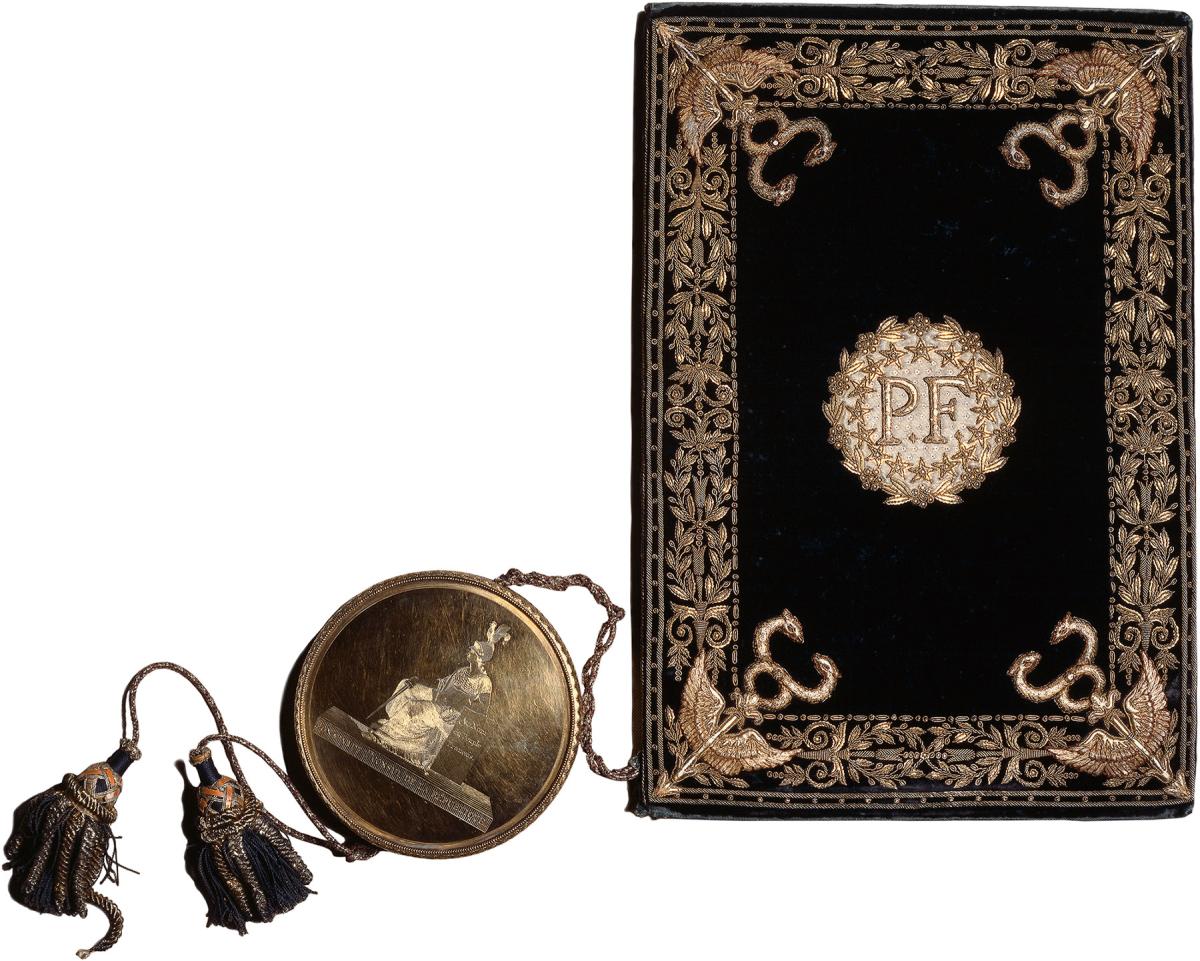
Livingston and Monroe faced a choice: exceed their instructions, or risk losing an extraordinary opening while waiting for messages to cross the Atlantic. They accepted a $15 million agreement. The treaty bears the date April 30, 1803.
Jefferson’s biggest obstacle was his own principle

Jefferson favored a federal government bound closely by the powers the Constitution actually granted. Acquiring a vast new territory presented an uncomfortable question: where, exactly, was that power written?
He considered a constitutional amendment. But an amendment would take time, and the offer might disappear. His advisers argued that the government could acquire territory through its treaty powers.
Jefferson moved ahead. The Senate supplied the necessary support on October 20. The president who distrusted broad interpretations of federal power had accepted one of the largest opportunities ever placed before that government.
A bigger map. Unfinished questions.
The familiar map can make the purchase look simple: one color changes, and the United States becomes larger. Life on the ground was far more complicated.
Indigenous nations already lived across the territory. They had communities, governments, trading networks, and homelands. France’s agreement with the United States was not their consent to surrender those lands. American expansion brought further treaties, conflict, land loss, and forced relocation.
The purchase also enlarged the stage on which Americans would fight over slavery. As new territories sought statehood, the balance between free and slave states became increasingly difficult to maintain. The bargain settled one international question while deepening disputes within the nation.
Three dates worth remembering
April 30, 1803
The treaty date: the agreement with France.
October 20, 1803
The Senate approves the treaty for ratification, 24–7.
December 20, 1803
The formal transfer from France to the United States takes place in New Orleans.
The Louisiana Purchase secured a commercial gateway and transformed the country’s scale. It also tested how Americans understood their Constitution and raised questions about whose rights expansion would protect.
That is what makes October 20 worth remembering: the moment an unexpected offer became a national commitment, with consequences reaching far beyond the men who approved it.
Keep exploring
Before America expanded, it had to win its independence. Read Kings Mountain: One Hour That Changed the War.