


On September 22, 1862, President Abraham Lincoln issued the preliminary Emancipation Proclamation. The Civil War had begun as a fight to preserve the Union. Lincoln’s announcement made freedom for enslaved people in the rebelling states an explicit Union objective.
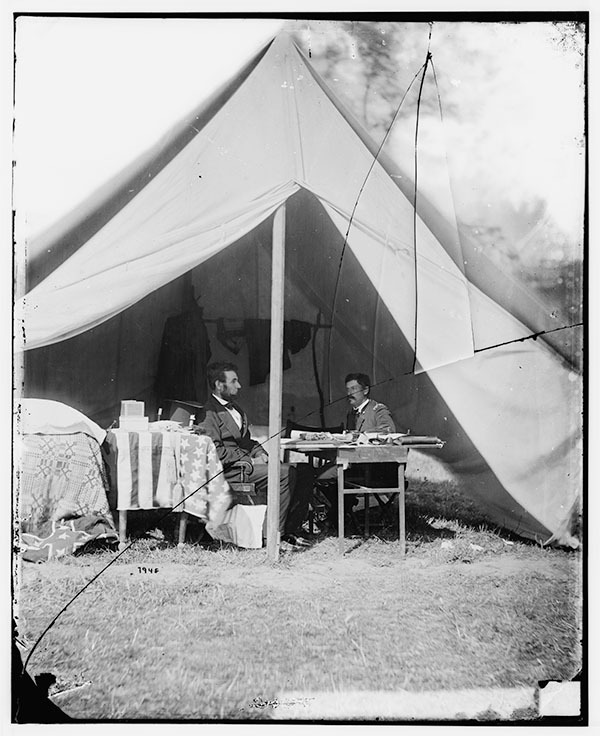
Lincoln Waited for a Victory
Lincoln had presented a draft to his Cabinet in July. Secretary of State William Seward urged him to wait for military success; issued amid Union setbacks, the proclamation could look like an act of desperation.
That opportunity came at Antietam on September 17. The battle was brutally costly, but Union forces stopped Robert E. Lee’s first invasion of the North and forced his army back into Virginia. Five days later, Lincoln acted.
What the Proclamation Actually Did
The preliminary proclamation did not immediately free every enslaved person. It warned that on January 1, 1863, enslaved people in areas still rebelling against the United States would be declared free. It did not apply to the loyal slaveholding border states or certain areas already under Union control.
When the deadline passed, Lincoln issued the final Emancipation Proclamation. It also authorized Black men to serve in the Union armed forces. Slavery throughout the country was not abolished until the 13th Amendment was ratified in 1865.
The Flag Still Carried Every Star
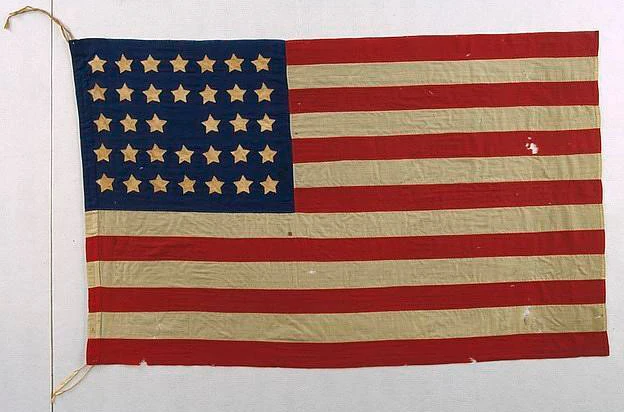
The American flag carried 34 stars when Lincoln issued the preliminary proclamation. Although 11 states claimed to have left the Union, none of their stars were removed. The federal government did not recognize secession as lawful, and the flag continued to represent one nation.
The flag actually gained stars during the war—for West Virginia in 1863 and Nevada in 1864. As the Union grew, its cause also changed. Preserving the nation and ending slavery in the rebelling states had become inseparable war aims.
This article is part of our We the People series, exploring the dates, documents and symbols that shaped the United States.